Key Takeaways
- Poor aircon maintenance increases electricity consumption long before a breakdown happens.
- Commercial aircon service must match the scale and design of the building system.
- Small oversights such as clogged drains or low refrigerant levels create expensive long-term damage.
Introduction
Air conditioning systems in commercial buildings operate for long hours every day. Offices, retail units, clinics, and warehouses depend on consistent cooling to protect equipment and maintain staff productivity. Many businesses schedule
aircon maintenance because they know it is necessary, yet they rarely review what the service actually covers. When commercial aircon service becomes routine paperwork instead of a technical inspection, hidden faults accumulate. These faults increase energy use, reduce system lifespan, and raise repair costs. The following six mistakes explain why maintenance efforts fail and how businesses can correct them.
1. Waiting for a Breakdown Before Acting
Some companies contact technicians only when cooling performance drops or the system shuts down. By that stage, internal components such as compressors and fan motors have already operated under strain. Bearings overheat, electrical contacts weaken, and refrigerant pressure fluctuates outside safe limits. A single breakdown often reflects months of neglected warning signs.
Scheduled aircon maintenance identifies abnormal vibration, loose wiring, and airflow restriction before these issues escalate. Early intervention keeps repair costs predictable and prevents downtime that disrupts office operations or customer activity.
2. Ignoring the Outdoor Condenser Unit
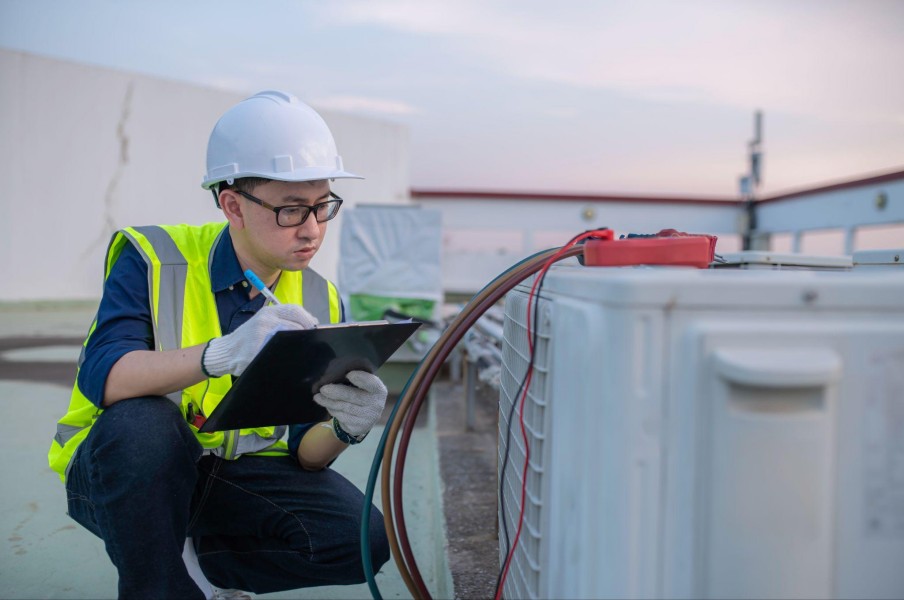
Facility managers often prioritise cleaning indoor fan coil units because employees see them daily. The outdoor condenser receives less attention because it sits on rooftops or service ledges. This unit releases the heat extracted from indoor air. When condenser fins collect dust, leaves, or construction debris, heat cannot dissipate efficiently.
Restricted heat exchange forces the compressor to run longer cycles. Extended runtime increases electricity consumption and shortens compressor lifespan. A proper
commercial aircon service includes coil cleaning, clearance checks around the unit, and inspection of fan motors exposed to weather conditions.
3. Using Residential Service Checklists for Commercial Systems
Commercial HVAC systems differ from home split units in size, airflow design, and load requirements. Office towers may use chilled water systems, air handling units, or VRF configurations that distribute cooling across multiple zones. Applying a residential checklist to these systems leaves critical components unchecked.
For example, large duct networks accumulate dust that restricts airflow and alters pressure balance. Poor airflow increases strain on blowers and reduces cooling efficiency across the floor. Aircon maintenance in commercial buildings must include duct inspection, AHU cleaning, and calibration of thermostatic controls to ensure balanced distribution.
4. Overlooking Refrigerant Monitoring
Refrigerant circulates through coils to absorb and release heat. Minor leaks develop gradually at joints or valves. These leaks rarely produce immediate failure, so they remain undetected for long periods. When refrigerant levels drop below design specifications, the compressor compensates by working harder to maintain cooling output.
Extended operation under low refrigerant conditions increases internal temperature and mechanical stress. Over time, this leads to compressor burnout, which is one of the most expensive HVAC replacements. Comprehensive aircon maintenance includes pressure testing and leak detection to keep refrigerant within safe operating levels.
5. Installing Low-Grade Air Filters
Some businesses reduce costs by purchasing inexpensive filters that lack proper dust retention capacity. These filters allow fine particles to pass through and settle on evaporator coils. Dust accumulation forms a layer that insulates the coil surface and restricts heat transfer.
Reduced heat transfer lowers cooling efficiency and forces longer operating cycles. Longer cycles translate into higher electricity bills and faster wear on moving components. In humid environments, accumulated dust also encourages mould growth within duct systems. A structured commercial aircon service plan specifies filter ratings suited to building occupancy and air quality needs.
6. Neglecting the Condensate Drainage System
Air conditioners remove moisture from indoor air, especially in humid climates. This moisture collects in drain pans and flows through drainage pipes. When maintenance teams skip drain flushing, algae and sludge form blockages.
Blocked drains cause water to overflow into ceilings and wall cavities. Water damage stains panels, weakens plasterboard, and disrupts electrical fittings above workstations. Regular aircon maintenance must include clearing drain lines and inspecting trays to prevent leaks that result in property repair costs.
Conclusion
Commercial cooling systems operate under heavy demand and cannot rely on reactive servicing. Each of these six mistakes increases operational costs long before equipment fails. Effective aircon maintenance focuses on system performance, heat exchange efficiency, airflow balance, and moisture control. When commercial aircon service follows a technical checklist tailored to building scale, businesses protect equipment value and stabilise office cooling costs.
Contact Cool Channels Engineering to implement a structured commercial aircon service programme that prevents these costly maintenance errors and safeguards your cooling system.