

7 Things to Compare Before Choosing Window Blinds or Curtains for Your Home
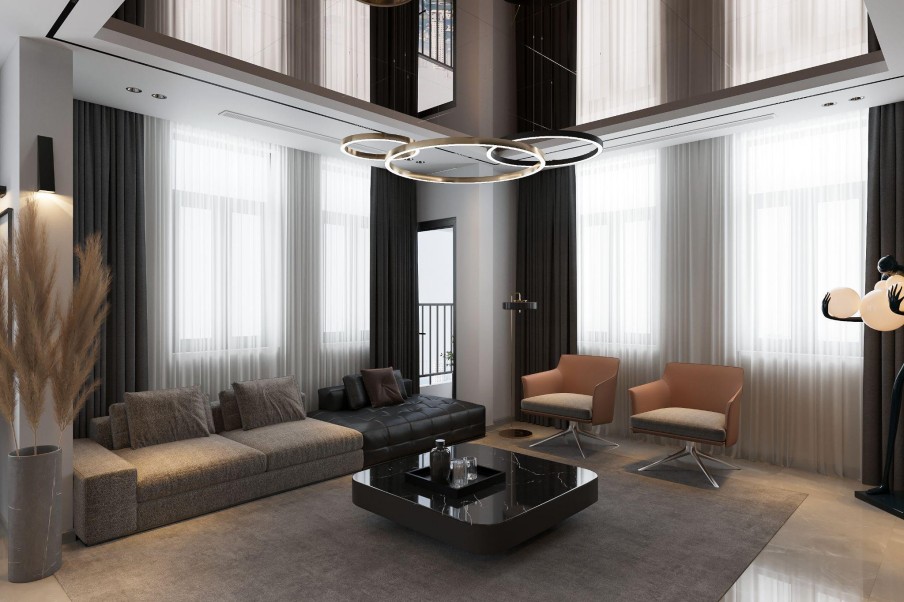
Key Takeaways
- Premium window blinds in Singapore sit flush against the frame, making them the superior choice for compact BTO bedrooms where preserving floor space is a priority.
- Fabric curtains often act as large filters that trap dust and pet dander, whereas smooth-surfaced blinds remain significantly easier to wipe down for residents with sinus sensitivities.
- While heavy drapes provide a soft, hotel-luxe aesthetic, adjustable blinds offer more granular control over light angles through the use of precision-engineered slats.
Introduction
In the modern Singaporean home of 2026, the decision regarding window treatments has evolved into a strategic choice between soft, flowing elegance and mechanical precision. With HDB and condominium layouts becoming increasingly integrated, selecting the right home curtains and blinds is no longer just about blocking the sun but managing significant heat gain in a tropical climate. Residential units often face neighbouring blocks in high-density estates, making the balance between natural illumination and personal privacy a daily logistical challenge. Before visiting a local showroom, homeowners must evaluate how different materials interact with the specific architecture of their living space. Choosing the most effective window blinds in Singapore requires a thorough understanding of how these installations perform under the pressure of constant humidity and urban noise. These seven comparison factors provide a clear framework for deciding which solution best serves the needs of a contemporary household.
1. Resilience Against High Tropical Humidity
The persistent 80% humidity levels found locally can cause heavy organic fabrics to develop a musty scent or even mildew over several seasons. Synthetic materials used in many window blinds in Singapore, such as PVC or high-grade faux wood, offer excellent moisture resistance that natural fibres cannot match. These durable surfaces are particularly advantageous in areas prone to dampness, such as kitchens or service yards, where steam and water splashes are common. Selecting a non-porous material ensures that the window treatment remains aesthetically pleasing and hygienic without the risk of fabric rot.
2. Achieving Precision in Light Management
Adjustable slats allow residents to tilt the angle of incoming sunlight to illuminate a room while simultaneously blocking the direct line of sight from nearby buildings. Traditional drapes often present an all-or-nothing scenario where closing them for privacy results in a completely dark interior unless paired with secondary day curtains. Modern window blinds in Singapore provide a middle ground, enabling a bright living environment that does not compromise the security of the home. This granular control is especially useful for home offices where screen glare needs to be managed throughout the day as the sun moves.
3. Routine Maintenance and Cleaning Requirements
Keeping fabric window treatments clean usually involves a laborious process of dismantling heavy rods and arranging for professional dry cleaning or intensive laundry sessions. In contrast, many specialists in home curtains and blinds recommend sleek slat systems for high-dust environments because they only require a simple routine wipe-down with a microfibre cloth. This ease of maintenance is a significant factor for busy professionals who wish to keep their homes allergen-free without committing to frequent, heavy-duty chores. Reducing the accumulation of dust on window surfaces contributes to better indoor air quality over the long term.
4. Evaluating Total Blackout Capabilities
For shift workers or those sensitive to light during sleep, the physical properties of heavy-duty fabric are often superior to mechanical systems. Even the most precisely installed window blinds in Singapore typically feature small light gaps at the edges or through cord holes that can disrupt a dark environment. High-quality blackout drapes that run from the ceiling to the floor provide a comprehensive seal against external street lamps and early morning sun. This creates a cave-like atmosphere that is essential for achieving deep, restorative sleep in a bright urban landscape.
5. Visual Impact on Perceived Room Size
In a compact study or a smaller guest room, bulky fabric drapes can physically and visually crowd the walls, making the area feel smaller than its actual dimensions. Roller or Venetian styles of window blinds in Singapore maintain clean, architectural lines that sit neatly within the window reveal, preserving the sense of openness in the room. This minimalist approach helps a space feel more organised and less cluttered, which is a key tenet of modern interior design in 2026. Streamlined treatments allow the surrounding furniture and decor to remain the primary focus of the living area.
6. Sound Insulation and Acoustic Protection
Heavy velvet or specialised dim-out fabrics act as a functional sound buffer that helps dampen the persistent drone of traffic or nearby construction. Thin slats used in various window blinds offer almost no acoustic protection, which is a vital consideration for units facing busy arterial roads or elevated MRT tracks. Investing in thick fabric layers can significantly lower the ambient decibel levels inside the home, creating a more peaceful sanctuary amidst the city bustle. This secondary benefit of noise reduction often outweighs the aesthetic advantages of thinner treatments for those living in loud districts.
7. Cost of Customisation and Smart Integration
The price of bespoke home curtains and blinds fluctuates significantly based on the total yardage of premium fabric required for full coverage. By 2026, the technology for motorised systems will have become increasingly affordable, offering a touch of smart-home luxury that often costs less than imported high-end drapes. Homeowners can now integrate their window treatments into automated schedules that adjust based on the time of day or internal temperature. Evaluating the long-term value of these electronic features helps in deciding whether to invest in traditional hand-drawn fabrics or modern automated hardware.
Conclusion
Deciding between the various options for home curtains and blinds requires a realistic assessment of a household’s lifestyle and environmental challenges. While fabric provides unmatched warmth and sound dampening, the functional advantages of moisture-resistant slats make them a compelling choice for the local climate. By comparing these seven critical factors, residents can select a solution that enhances both the comfort and the visual appeal of their property. Ultimately, the right choice facilitates a balanced living environment that handles light, privacy, and maintenance with equal efficiency.
Do you want a professional’s opinion? To view our entire selection of window blinds in Singapore, get in touch with De Art Studio right now!