

A Step-by-Step Plan for Interior Design Residential Success
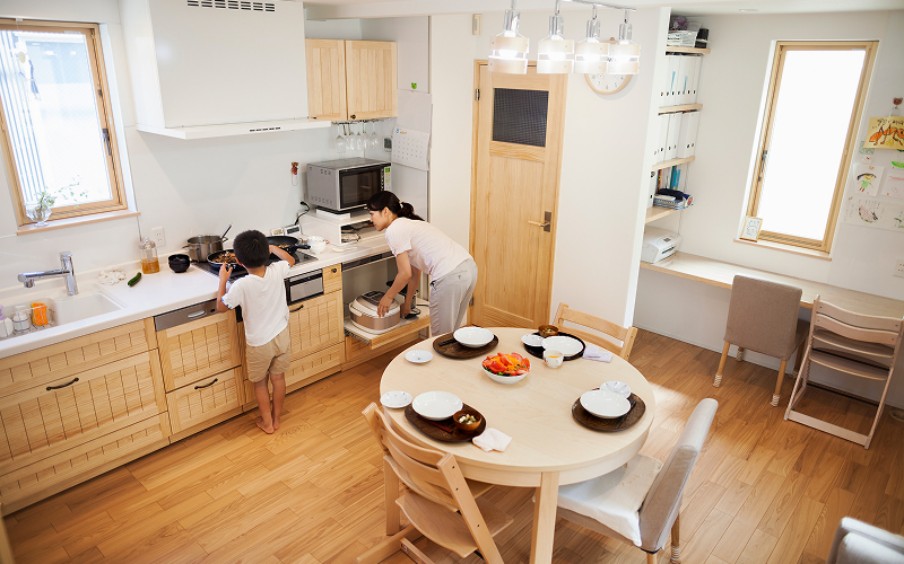
A home transforms gradually, and the process feels far smoother when there is a grounded structure guiding each decision. It helps to take a breath before diving into mood boards and colour palettes, as clarity eases the overwhelm that usually creeps in early. It is where the focus on interior design residential planning enters the conversation, shaping a more measured path forward. This reflection provides the calm needed to approach each stage with intention. The direction becomes clearer once the scope is defined. A simple structure or plan can steady the process and keep everything from drifting off course.
1. Needs Before Style Takes Over
Many homeowners rush straight into visual choices without sorting out the real needs beneath those ideas. It helps to identify lifestyle patterns, future changes and daily routines before deciding on material finishes. A grounded approach makes transitions smoother as the project unfolds. This is also where early notes on spatial habits reveal what must take priority. These reflections guide the early phase of interior design residential planning with far less stress.
2. Map Out Space With Functional Clarity
Once needs have been outlined, the next step involves measuring, zoning and understanding how movement flows within each room. A thoughtful plan allows you to avoid impulse placements that restrict flexibility later on. It is where a Housing and Development Board (HDB) interior design layout brings practical insight, as the structural limitations shape what is feasible. The key is making choices that respect the bones of the home rather than forcing ideas that do not fit comfortably. A few careful sketches at this stage can remove future delays.
3. Develop a Cohesive Concept That Supports Daily Life
Ideas start taking shape once layouts are understood, though the concept should support use, not overpower it. Light, texture and colour work quietly together when chosen with direction, creating a flow that evolves across the home. This stage benefits from patience, since quick choices may age faster than expected. A gentle balance helps preserve the room for adaptation later. Working through this step with your HDB interior design plan in mind keeps decisions connected instead of scattered.
4. Plan the Budget and Timeline With Realistic Boundaries
Money and time influence every design choice, yet many postpone these discussions until conflicts arise. Setting a realistic range for materials, labour and contingency needs gives the entire project a healthier rhythm. Timelines vary based on scope, so pacing should account for inspections, sourcing and inevitable adjustments. When cost and time expectations align early, your interior design residential vision feels more grounded. Clear boundaries prevent mid-project surprises that derail progress.
5. Bring the Plan to Life With Measured, Incremental Steps
Execution becomes less intimidating when broken into manageable stages. This may involve ordering fixtures first, scheduling carpentry next and spacing installation tasks to reduce disruption. Momentum builds steadily when the project has room to breathe. Small achievements keep motivation alive while reducing emotional fatigue. Keeping your HDB interior design considerations in view ensures each step supports the larger plan, creating a result that feels intentional rather than rushed.
Conclusion
A structured approach creates a gentler experience from the first sketch to the final reveal. By organising needs, understanding space, shaping a concept, setting boundaries and pacing the build, the full arc of interior design residential planning becomes far more approachable. Each stage invites confidence rather than pressure, leaving you with a home that reflects clarity in concept and comfort in daily living. A steady framework eases the emotional load that usually comes with renovation work. It also supports clearer communication with everyone involved, which keeps the process moving without unnecessary tension.
Contact Hoft Interior to discuss how your ideas can take shape with guidance that aligns with your vision.