

Key Takeaways
- Office relocation introduces real data security risks that go beyond physical damage or loss.
- Reputable office movers in Singapore manage data risks through controlled processes, documentation, and accountability—not assumptions.
- Businesses that treat data security as a core relocation requirement experience fewer disruptions, breaches, and post-move disputes.
- Choosing professional moving services is a risk-management decision, not a logistical convenience.
Office relocation is often treated as an operational exercise: pack, move, unpack, resume work. What is frequently underestimated is the data security exposure created during the move. Physical files, servers, workstations, storage devices, and network equipment are temporarily removed from controlled environments. Data loss, unauthorised access, or compliance breaches can occur during this window.
Professional office movers in Singapore are increasingly expected to manage not just physical assets, but the integrity, confidentiality, and traceability of business data throughout the relocation process.
Learn the key data security risks that arise during office relocation, and how competent moving services in Singapore mitigate them.
1. Loss or Misplacement of Physical Documents
Paper records containing financial data, contracts, HR files, or client information remain common in many offices. These documents are vulnerable to mislabelling, misplacement, or unauthorised handling during relocation.
Established office movers manage this risk through structured inventory systems, sealed container usage, and controlled packing protocols. Sensitive files are grouped, labelled clearly, and transported separately from general office items. Chain-of-custody tracking ensures accountability at every stage, reducing disputes and exposure if documents are queried post-move.
2. Unauthorised Access to IT Equipment
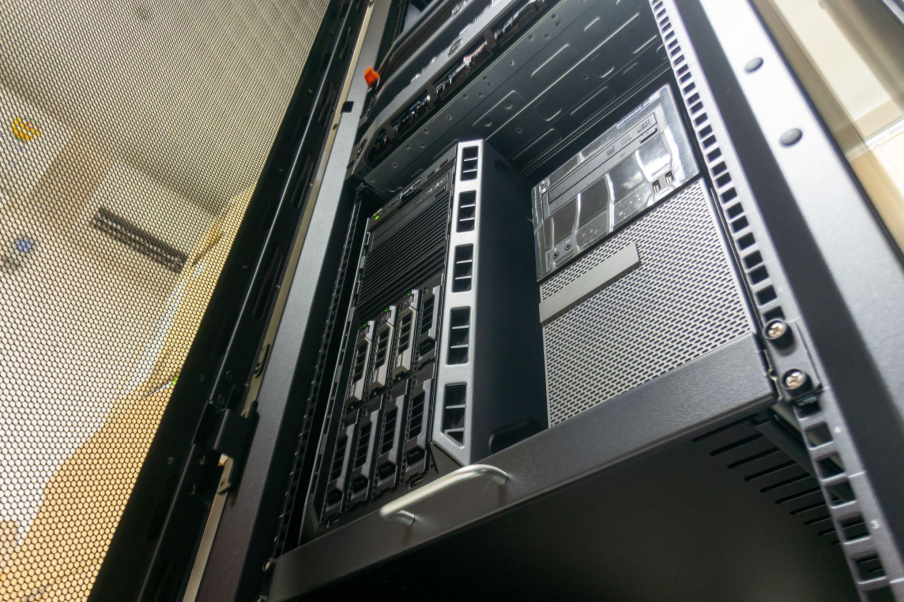
Servers, desktops, laptops, NAS devices, and backup drives all contain sensitive data. These assets leave secure office environments and are temporarily exposed during relocation.
Professional moving services mitigate this risk by restricting access to trained personnel only, using tamper-evident packaging, and enforcing controlled loading and unloading procedures. Equipment is not left unattended, shared with unrelated cargo, or handled by unverified subcontractors. Movers, for higher-risk environments, coordinate closely with internal IT teams to align access protocols and handling orders.
3. Data Breach During Packing and Decommissioning
Improper shutdown, disconnection, or handling of IT systems can expose data, damage drives, or corrupt systems. This situation is especially critical for businesses operating in regulated environments such as finance, healthcare, or legal services.
Experienced office movers do not treat IT assets as standard furniture. They follow structured decommissioning workflows, coordinate with IT personnel, and sequence packing to prevent premature shutdowns or exposure. This approach reduces the likelihood of data corruption, loss, or unintended access during transit.
4. Theft or Diversion During Transit
Transit is one of the highest-risk phases of office relocation. Vehicles carrying data-bearing equipment may be targeted if security is lax or routing is poorly planned.
Reputable moving services manage this through secured vehicles, route planning, restricted stops, and documented delivery confirmation. High-value or sensitive equipment may be transported separately, with direct point-to-point delivery rather than shared loads. These measures significantly reduce exposure during the most vulnerable phase of relocation.
5. Lack of Accountability After the Move
Many data security incidents only surface after operations resume—missing files, damaged drives, or unexplained access issues. Responsibility becomes unclear without documentation.
Professional office movers mitigate this risk by maintaining detailed inventories, handover documentation, and post-move verification. Assets are checked upon delivery, discrepancies are recorded immediately, and escalation processes are defined upfront. This approach ensures accountability and faster resolution if issues arise.
6. Compliance and Regulatory Exposure
Businesses handling personal data, financial records, or confidential client information face regulatory obligations. Data mishandling during relocation can result in compliance breaches, penalties, or reputational damage.
Established moving services in Singapore understand that relocation is part of a company’s compliance chain. They align handling practices with client compliance requirements, maintain confidentiality standards, and avoid practices that introduce unnecessary risk. Similarly, for regulated sectors, this alignment is not optional—it is expected.
Conclusion
Office relocation is a period of heightened data security risk, whether businesses recognise it or not. Data exposure rarely comes from malicious intent alone; it often results from poor planning, uncontrolled handling, and a lack of accountability.
Engaging professional office movers in Singapore who understand data risk transforms relocation from a liability into a controlled process. Businesses that prioritise secure moving services protect not just their assets, but their operations, reputation, and regulatory standing.
Contact Aspect Mover and speak with professional office movers who prioritise data security, accountability, and operational continuity.
