

Key Takeaways
- Renovation showrooms are controlled environments and do not fully represent real HDB BTO conditions, constraints, or trade-offs.
- Many homeowners overestimate how closely showroom displays translate into actual HDB BTO interior design outcomes.
- Pricing, space perception, and material performance are often misunderstood after showroom visits.
- Renovation showrooms are decision-support tools, not guarantees of identical results.
- Critical evaluation after a showroom visit helps prevent costly design and renovation misalignment.
Introduction
Visiting a renovation showroom in the city-state is often one of the first steps homeowners take when planning their HDB BTO interior design. Showrooms provide visual clarity, physical samples, and a sense of what is possible. However, many homeowners leave with assumptions that later create frustration, budget strain, or design compromises during execution. The issue is not that showrooms mislead, but that their role is frequently misunderstood.
Discover the five common misconceptions homeowners develop after visiting renovation showrooms in Singapore, and why these assumptions should be reassessed before finalising renovation decisions.
Misconception 1: The Showroom Represents Real HDB BTO Living Conditions
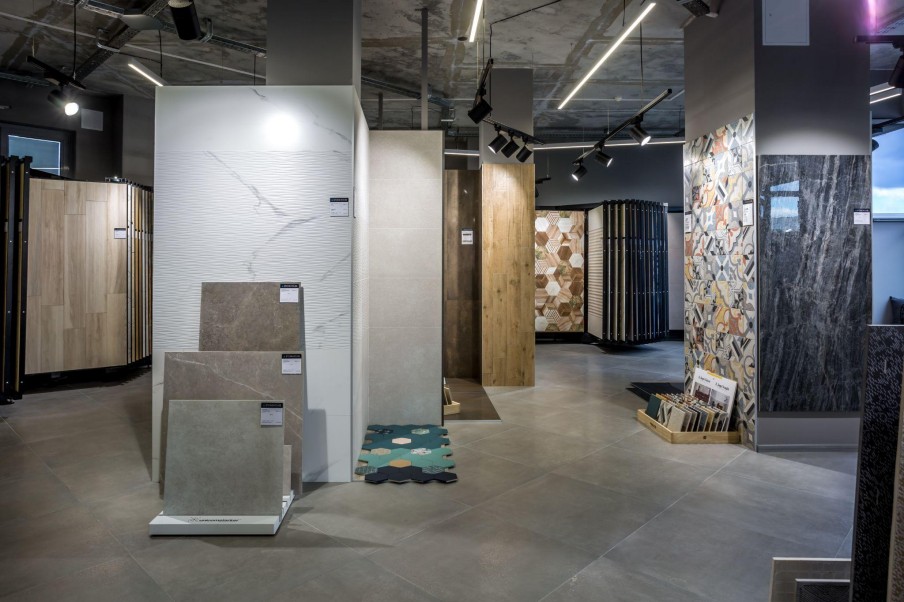
Showroom spaces are typically designed with generous proportions, ideal ceiling heights, and unobstructed layouts. Homeowners often assume these proportions will directly translate to their HDB BTO unit. In reality, BTO flats have structural columns, service shafts, compressed kitchens, and regulated clearance requirements that significantly affect space planning. HDB BTO interior design must work within strict spatial and regulatory limits. What appears open and seamless in a showroom may require design compromises once adapted to an actual flat. Expectations around space, circulation, and storage are often set unrealistically high without recognising this difference.
Misconception 2: Displayed Designs Reflect Standard Renovation Costs
Another common assumption is that showroom designs reflect average renovation budgets. In practice, many showroom displays feature premium carpentry details, concealed hardware, layered lighting, and custom finishes that inflate costs beyond typical HDB BTO renovation budgets. Homeowners may leave a renovation showroom believing a full-home renovation can match what they saw at a similar price point. Cost discrepancies usually emerge later during quotation breakdowns, leading to scope reductions or design revisions. Understanding that showroom concepts are aspirational, not baseline, helps homeowners plan budgets more accurately.
Misconception 3: Materials Will Look and Age the Same at Home
Materials in showrooms are installed under optimal conditions, with controlled lighting, limited wear, and minimal exposure to daily use. Homeowners often expect identical performance and appearance once installed at home. However, actual HDB BTO living introduces humidity, cleaning wear, sunlight exposure, and daily contact that alter material behaviour over time. Laminates, finishes, and surfaces can look different in natural light and respond differently to regular use. Effective HDB BTO interior design considers durability and maintenance, not just showroom presentation.
Misconception 4: What Is Shown Is What Will Be Delivered
Showroom carpentry and detailing are often executed as demonstration pieces rather than mass-installed systems. Homeowners may assume every joint, alignment, and finish will be replicated exactly in their own unit. In reality, site conditions, construction tolerances, and installation sequencing influence final results. Renovation showrooms demonstrate design intent and craftsmanship capability, not a literal promise of identical outcomes. Clear documentation, detailed drawings, and aligned expectations matter more than visual resemblance alone.
Misconception 5: A Showroom Visit Is Enough to Finalise Design Decisions
Many homeowners treat showroom visits as the final confirmation before committing to a renovation firm. This approach is risky. Showrooms are most effective when used as comparative and validation tools, not decision endpoints. HDB BTO interior design requires site-specific planning, lifestyle assessment, and budget calibration that showrooms alone cannot provide. Homeowners, without follow-up discussions, layout testing, and feasibility checks, may lock in concepts that are unsuitable for their actual flat.
Conclusion
A renovation showroom in Singapore plays a significant role in helping homeowners visualise possibilities and assess design direction. However, misunderstanding its function often leads to unrealistic expectations in HDB BTO interior design projects. Showrooms are controlled showcases, not replicas of real homes. Homeowners who approach showroom visits with a critical mindset—separating inspiration from execution—are far more likely to achieve outcomes that align with budget, space, and long-term living needs.
Contact Fineline Design to determine whether your renovation idea works long-term.
