

How a Storage Bedframe Helps Maximise Space in Small HDB Flats
Key Takeaways
- Storage bedframes with drawers or lift-up bases can replace extra cabinets and free up floor space in small HDB bedrooms.
- The choice between drawers and lift-up platforms affects daily access, furniture placement, and how often stored items are used.
- Under-bed storage changes organisation habits, making labelling and regular rotation important to avoid forgotten clutter.
- Bedframe design influences cleaning and airflow, with flush bases reducing dust gaps and raised designs supporting vacuum access.
- Storage mechanisms add weight and moving parts, so assembly, relocation, and long-term durability should factor into buying decisions.
Introduction
Small HDB flats require careful planning for every square metre, and bedroom storage quickly becomes a daily concern. A bed frame in Singapore may look simple in a showroom, yet at home, it competes with wardrobes, desks, and walking space. A storage bedframe integrates hidden compartments beneath the mattress, which can replace bulky cabinets and reduce clutter. Many households consider this option when downsizing or renovating, but they also worry about accessibility, cleaning, and durability. Homeowners who know how a storage bedframe can help maximise space in compact flats can properly align their furniture choices with routines, cleaning habits, and long-term living patterns. These considerations influence renovation plans, budgeting decisions, and how residents prioritise storage over decorative features in small urban flats.
Storage Drawers Versus Lift-Up Bases
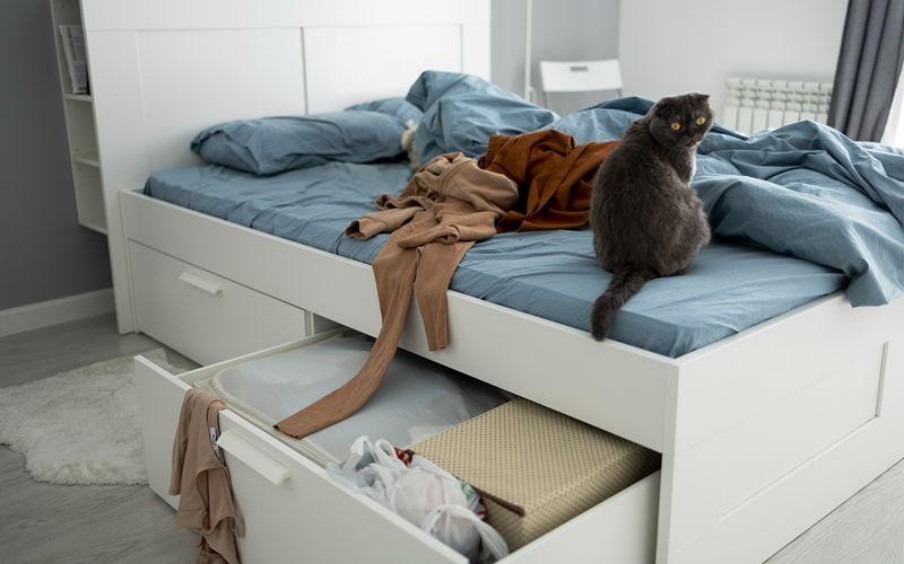
Storage bedframe designs usually fall into drawer bases or lift-up platforms. Drawer systems are suitable for households that access items frequently, such as spare bedding or children’s toys, because contents slide out without moving the mattress. Lift-up bases provide deeper storage for suitcases or seasonal items, but require space to raise the platform. In small HDB rooms, the choice affects how bedside tables and wardrobes are positioned. Households that value quick access often prefer drawers, while others prioritise maximum volume under the bed. Both options influence how often people reorganise stored belongings.
Replacing Extra Cabinets And Shelves
One of the main advantages of a storage bedframe is reducing the need for extra cabinets. In compact bedrooms, freestanding dressers and underutilised corners often block airflow and walking paths. Using the bed base for linens, documents, or sports gear frees wall space for wardrobes or desks, supporting open layouts that feel less crowded. In Singapore flats, where bedrooms sometimes double as study areas, integrated storage can simplify layouts and reduce the visual weight of multiple furniture pieces. Families notice easier cleaning and fewer dust-collecting surfaces after consolidation in small shared rooms.
Daily Access And Organisation Habits
Storage under the bed changes how households organise belongings. Items stored out of sight can be forgotten if not labelled or rotated, which affects daily routines. Some residents use dividers or fabric bins to separate categories and maintain order. A bed frame in Singapore with segmented drawers can encourage consistent organisation habits. When storage is convenient, people are more likely to keep bedrooms tidy, which supports easier vacuuming and reduces clutter accumulation over time. Regular reviews of stored items also prevent overcrowding and help households adjust storage to changing seasons and family needs each year.
Impact On Cleaning And Airflow
Small HDB bedrooms accumulate dust quickly, especially around bulky furniture bases. A storage bedframe that sits flush to the floor reduces gaps where dust gathers, while raised drawer bases allow robotic vacuums to pass underneath. Material choice also matters, as laminated panels and metal frames resist moisture better than untreated wood. Residents should consider how their cleaning routine fits the bed design, as access under and around the frame affects how often floors are cleaned and how allergens accumulate. Humidity control with air conditioning or dehumidifiers protects stored items and keeps fabrics fresher in compartments.
Weight, Assembly, And Longevity Considerations
Storage mechanisms add weight and moving parts, which affect assembly and long-term durability. Lift-up bases use gas struts that may require periodic replacement, while drawers depend on runners that can wear out with frequent use. In Singapore, access to delivery and staircases also influence whether large frames fit into flats without dismantling. Buyers should consider how often they move homes or rearrange rooms, as heavier frames are harder to relocate. These factors shape ownership costs beyond initial purchase, as warranty terms and spare part availability influence whether a long storage bedframe remains usable in daily living.
Conclusion
Many residents expect under-bed storage to solve all space issues, yet habits and layout still determine how effective it feels. Items can accumulate if not reviewed, and mechanisms require occasional maintenance. The difference between showroom convenience and everyday use often appears after several months of ownership, which can help households choose designs that fit their routines rather than assuming storage alone will transform a room. A storage bedframe supports compact living, but it works best when paired with consistent organisation and realistic expectations. Small adjustments to habits determine long-term satisfaction in tight HDB bedrooms.
Contact TheFurniture to learn more information on storage bedframes today.