
“Luxury” Condo Features That Age Badly After 12 Months
Key Takeaways

  • Some “luxury” features in condominium interior design are driven by showflat aesthetics, not long-term living comfort.
  • Materials and layouts that photograph well often demand high maintenance and age poorly under daily use.
  • Certain premium finishes create functional problems in compact condo layouts after the novelty fades.
  • A practical interior design company in Singapore plans beyond first impressions and considers how features behave after 12 months of real living.

Introduction

Luxury features in condominium interior design are often selected based on first impressions. Showflats, 3D renders, and social media images reward dramatic materials, bold design gestures, and hotel-style finishes. The problem is that most of these features are evaluated before anyone has lived with them. Twelve months of daily use is enough to expose design choices that look premium on day one but become inconvenient, fragile, or irritating over time. Discover five “luxury” features that tend to age badly once novelty wears off, and routine living begins, and learn why a disciplined interior design company in Singapore treats these features with caution rather than hype.

Full-Height Mirrored Panels and Reflective Surfaces

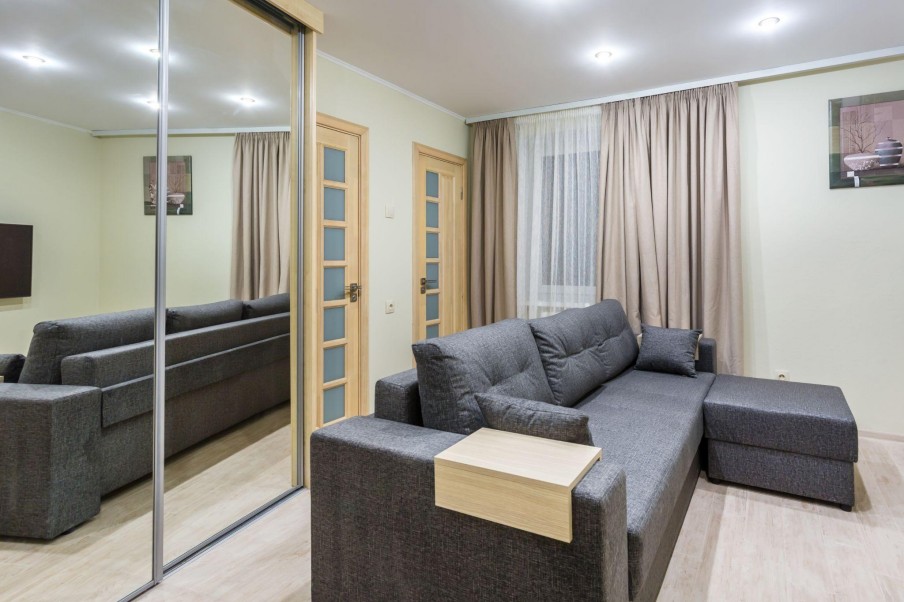
Full-height mirrors and reflective wall panels are widely used to make condo spaces appear larger. They create visual depth, bounce light around, and photograph well in marketing visuals. After twelve months, the maintenance reality becomes obvious. Fingerprints, smudges, water marks, and dust accumulate quickly in high-touch areas such as corridors, living rooms, and wardrobes. Residents in smaller units pass close to these surfaces multiple times a day, making constant cleaning unavoidable. Scratches become noticeable under natural light, and once damaged, replacement is costly and disruptive. What looked like a space-enhancing luxury feature becomes a visual liability that demands ongoing effort to keep presentable.

Open Shelving in Kitchens and Display Walls

Open shelving reads as premium because it signals lifestyle rather than pure function. Open shelves are often used in kitchens and feature walls in condo design to create a curated, design-led look. In real life, these shelves collect grease, dust, and humidity residue, especially in compact kitchens with heavy cooking. Items placed on display need constant rearranging to avoid visual clutter. Over time, homeowners either reduce usage or convert shelves into storage zones that defeat the original aesthetic intent. The feature does not fail structurally, but it fails behaviourally. Daily habits slowly erase the original design logic.

Dark, High-Gloss Cabinetry and Wall Finishes

High-gloss finishes in deep colours signal luxury because they reflect light and look sleek when new. After twelve months, the surface tells a different story. Glossy panels show scratches, micro-scuffs, and uneven wear, particularly around handles, edges, and frequently used compartments. Fingerprints and oil marks become visible under overhead lighting. Cabinets, in compact condo layouts, are opened frequently and often in tight clearances, which accelerates visible wear. The finish still functions, but it no longer communicates the same premium feel. The visual decline is gradual but obvious once the initial shine fades.

Feature Lighting That Prioritises Mood Over Function

Layered feature lighting is commonly used to create a hotel-style ambience. Cove lighting, strip lighting behind panels, and low-intensity ambient lights photograph well and signal luxury. After twelve months, functional gaps appear. Residents realise that mood lighting does not support everyday tasks such as cooking, working, cleaning, or dressing. Additional lamps or temporary lights get added, which breaks the original design intent. Some lighting systems also rely on specialised drivers or concealed access points, making repairs disruptive when components fail. What started as a premium visual feature becomes a compromise between aesthetics and practical usability.

Built-In Carpentry That Locks the Layout

Extensive built-in carpentry is marketed as luxury because it creates a seamless, tailored look. That said, in condominium interior design in Singapore, this often includes wall-to-wall storage, platform beds, and integrated TV walls. After twelve months, lifestyle evolves. Storage requirements change, furniture preferences vary, and some built-ins start to feel restrictive. Fixed layouts reduce flexibility for reconfiguration, resale staging, or minor lifestyle changes such as working from home. While the carpentry still looks cohesive, the lack of adaptability becomes a practical limitation. Over time, homeowners realise that permanent solutions can age poorly when personal habits change.

Conclusion

Luxury features age badly when they are chosen for visual impact rather than daily behaviour. The features that decline fastest in condo interior design are often those that look impressive in the first month but introduce friction in the following twelve. A capable interior design company in Singapore evaluates how materials wear, how people move through space, and how habits change over time. The goal is not to avoid luxury, but to define it in terms of durability, maintenance realism, and long-term usability rather than short-term visual appeal. Contact Jialux Interior to book a consultation that stress-tests your design choices before you commit money to features you’ll quietly resent later.