
What Changes When You Buy Concrete Blocks from a Supplier vs Hardware Stores
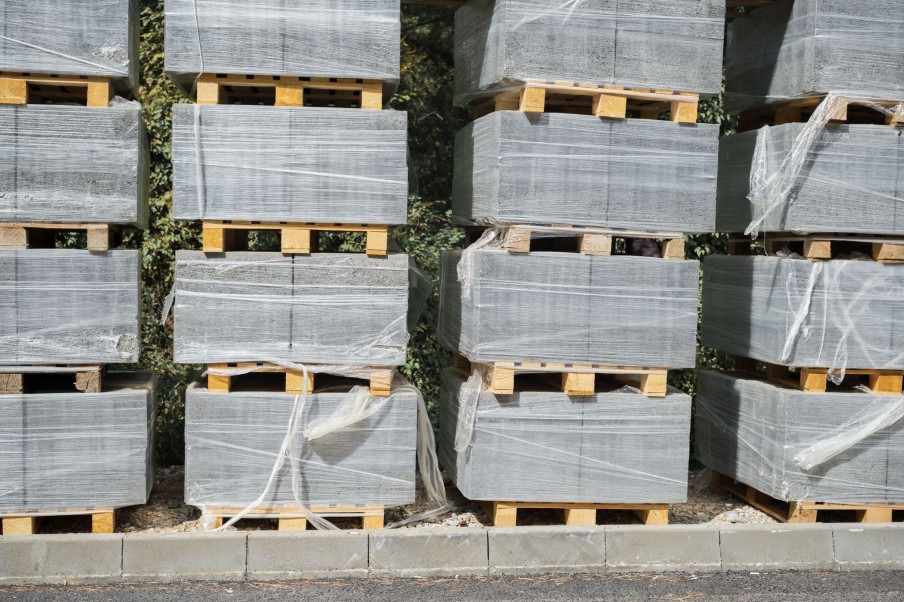
Key Takeaways

  • Buying concrete blocks directly from a building materials supplier changes pricing structures, lead times, minimum order quantities, and compliance accountability compared to retail hardware stores.
  • Direct suppliers expect project-level specifications, delivery planning, and documentation readiness, while retail outlets are structured for small-volume, immediate purchases with limited technical support.
  • The choice affects risk allocation for defects, delivery failures, and compliance issues, which can materially impact project timelines and cost control.

Introduction

Concrete blocks are a core structural and partitioning material across residential, commercial, and industrial construction. However, where you source them from directly affects not only unit cost, but also delivery reliability, quality assurance, documentation, and how disputes are handled if something goes wrong on site. Buying from a building materials supplier is a procurement decision designed for planned construction workflows, whereas retail hardware stores operate on a walk-in, transactional model suited to small-scale or ad-hoc purchases. Knowing these differences matters because concrete blocks are rarely a one-off item; they are integrated into schedules, structural planning, and compliance checks that can affect the entire project timeline.

Pricing Structure and Cost Control

Retail hardware stores price concrete blocks for convenience and immediacy. Unit pricing is typically higher, discounts are limited, and bulk rates are often inconsistent or capped because these outlets are not structured to carry project-scale inventory risk. You are paying for shelf availability and the flexibility to buy small quantities on demand. This approach works for minor works or replacements but becomes inefficient once volumes scale beyond a few pallets, particularly when price volatility in cement and aggregates is passed through at short notice. However, when buying direct from a building materials supplier, pricing is negotiated at a project or volume level. Rates are typically locked for a defined period, and quotations factor in palletisation, transport, and delivery windows. This instance gives procurement teams cost predictability and reduces exposure to sudden price changes mid-project. However, suppliers expect confirmed specifications and forecast volumes, which means pricing advantages come with tighter commitments and less flexibility to change quantities without financial consequences.

Quality Control, Specifications, and Compliance

Retail hardware stores carry standardised concrete blocks designed for general use. Product ranges are limited, technical documentation is basic, and staff are rarely involved in specification discussions. This model is adequate for non-structural walls or minor works, but it provides limited assurance for projects where compressive strength, dimensional tolerances, fire ratings, or compliance documentation are required for approvals or audits. Responsibility for verifying suitability largely falls on the buyer. A building materials supplier operates within a specification-driven supply chain. Concrete blocks are supplied to defined standards, with test reports, batch traceability, and documentation aligned to regulatory or project requirements. Suppliers will typically ask for intended application, load requirements, and site conditions before confirming supply. This instance shifts part of the compliance risk back to the supplier, but it also means procurement errors are less likely to be tolerated. Once specifications are unclear or change late, supply may be delayed or rejected.

Lead Times, Logistics, and Site Coordination

Retail hardware stores offer immediate availability for small quantities, but logistics support is limited. Delivery slots may be narrow, and bulk transport is often outsourced with minimal coordination with site schedules. This instance increases the risk of delivery clashes, partial loads, or storage issues on congested sites. This ad-hoc model can create operational friction, particularly for time-sensitive projects. Direct procurement from a building materials supplier is designed around delivery planning. Lead times are scheduled against construction phases, pallet quantities are optimised for site handling, and unloading requirements are coordinated in advance. While this reduces last-minute flexibility, it improves predictability. The trade-off is that late changes to site access, crane availability, or storage arrangements can result in rescheduling fees or delayed deliveries, which must be managed at a project level.

Risk Allocation and After-Sales Accountability

Once concrete blocks are bought from a retail hardware store, liability for defects, short supply, or suitability disputes is limited. Returns and exchanges are usually governed by retail policies, which are not designed for site delays or project losses. Once blocks fail quality checks after delivery, the cost of replacement delays often sits with the contractor. A building materials supplier operates under commercial supply terms. Defects, shortages, and non-compliance issues are handled through contractual mechanisms, and accountability is clearer. However, this also means disputes are formal and documentation-driven. Claims require evidence, and resolution timelines follow commercial processes rather than immediate retail exchanges. The benefit is structured recourse; the cost is administrative overhead.

Conclusion

Buying concrete blocks directly from a building materials supplier shifts procurement from a convenience-based model to a contract-driven supply arrangement with clearer pricing control, compliance assurance, and logistics planning. Retail hardware stores remain practical for small, unplanned purchases, but they are structurally misaligned with project-scale risk management. Remember, for any build where timelines, compliance, and cost certainty matter, direct supplier sourcing is a procurement decision, not just a purchasing preference. Contact Chi Han Trading to secure your concrete block supply with a confirmed schedule.