

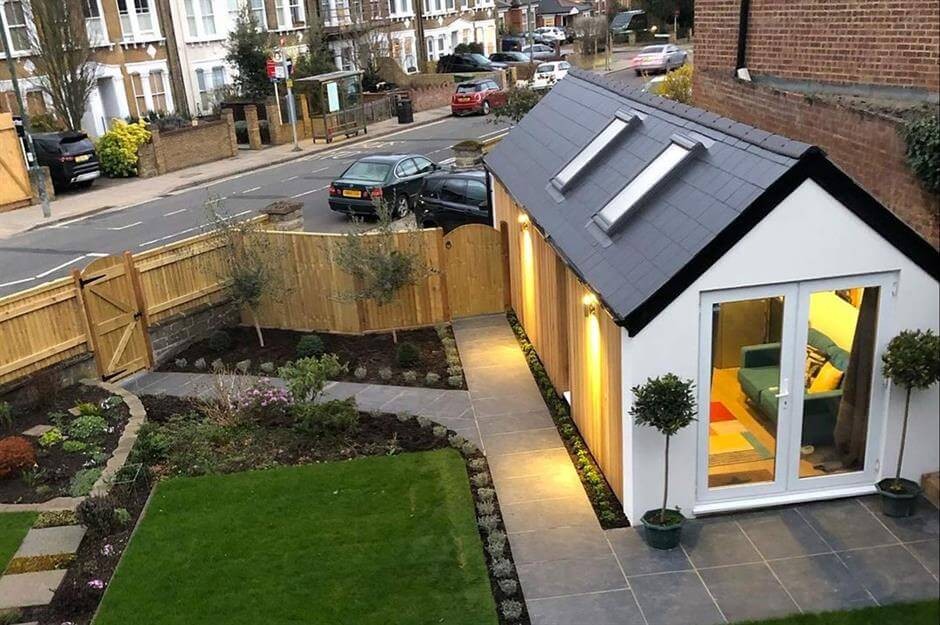
A garage conversion is one of the most cost-effective ways to add usable living space to your home without the disruption and expense of a full extension. But costs vary considerably depending on what you want to achieve, the current condition of your garage, and where you live in the UK. Here is a thorough breakdown of what you can realistically expect to pay.
Average Garage Conversion Costs in the UK
For a straightforward single garage conversion, most homeowners in the UK pay between £6,000 and £15,000. That range covers the basics: insulation, a new floor, plastering, electrics, windows, and a door alteration or two.
A double garage conversion costs more, typically between £12,000 and £25,000, depending on how you intend to use the space and the level of finish you want.
These figures assume the existing structure is sound. If your garage has a failing roof, cracked walls, rising damp, or inadequate foundations, remedial work adds to the bill before the conversion even begins.
What Drives the Cost Up
Several factors push conversion costs beyond the base figures.
Insulation is one of the biggest variables. A garage built decades ago will have little or no thermal insulation in the walls, floor, or roof. Bringing it up to current building regulations standard requires rigid insulation boards or cavity fill in the walls, insulated floor screed or floating floor panels, and proper roof insulation. Doing this correctly can add £1,500 to £4,000 to the project, depending on the space.
Plumbing changes everything. Converting a garage into a bedroom or home office requires no plumbing. Converting it into a bathroom, utility room, or kitchen adds a high cost. A full wet room or bathroom fit-out within a converted garage typically adds £3,000 to £8,000 to the base conversion price, depending on the specification of the sanitaryware and tiling.
Electrics form a substantial part of most conversions. A new consumer unit spur, multiple sockets, lighting circuits, and any underfloor heating connection can run to £1,500 to £3,500 for the electrical element alone, particularly if the garage is some distance from the main consumer unit in the house.
Structural changes also add cost. Many garages have a large front opening that needs to be partially or fully filled in. Brickwork, a new lintel, window installation, and rendering or cladding to match the existing property can cost £2,000 to £5,000 on its own.
The Cost of Different Room Types
The intended use of the converted space impacts the final bill.
A home office or gym is the most affordable option. These rooms need solid insulation, good lighting, enough power sockets, and a clean finish. Total costs typically are between £6,000 and £10,000 for a single garage.
A bedroom conversion requires more attention to ventilation, heating, and natural light. Expect to pay between £8,000 and £14,000 for a well-finished single bedroom, including an en-suite if required.
A habitable annex or self-contained living space is the most expensive category. Building regulations require stricter standards for fire safety, ventilation, sound insulation, and energy efficiency when the space functions as an independent living accommodation. Costs here regularly reach £20,000 to £30,000 for a properly finished single garage annex.
Planning Permission and Building Regulations
Most garage conversions fall under permitted development, meaning you do not need planning permission. However, you must comply with Building Regulations, which cover structural integrity, fire safety, insulation, ventilation and electrics. The Building Regulations application fee typically costs between £200 and £500, depending on your local authority.
Listed buildings and properties in conservation areas may need formal planning consent. Factor in additional time and potential architect fees, if that applies to your property.
Labour Costs by Trade
Breaking down the labour gives a clearer picture of where your money goes.
A general builder managing the overall conversion charges between £180 and £280 per day in most parts of England. In London and the South East, day rates climb higher.
An electrician typically charges £250 to £400 per day for first-fix and second-fix electrical work within a conversion.
A plasterer finishing walls and ceilings in a single garage will usually charge between £600 and £1,200 for the job, depending on the size and complexity of the space.
A flooring specialist fitting an insulated screed or a floating floor system charges between £40 and £80 per square metre, including materials.
Hidden Costs to Budget For
Several costs catch homeowners off guard.
Connecting the conversion to the central heating system adds between £500 and £2,000, depending on how far the garage sits from the boiler and how many radiators or underfloor heating loops you need.
Damp-proofing is necessary in most older garages. A damp-proof membrane under the new floor and treatment to any affected walls typically costs £300 to £800.
Structural surveys are worth commissioning before any work starts on an older garage. A structural engineer’s report costs between £300 and £600, but can save thousands by identifying problems before they become expensive surprises mid-project.
Decorating is rarely included in a builder’s quote. Budget separately for painting, flooring materials, blinds, and any fitted furniture. A practical allowance of £1,000 to £3,000 covers a clean, comfortable finish in most converted garages.
Is a Garage Conversion Worth the Money?
In most cases, yes. A well-executed garage conversion adds between five and ten per cent to the market value of a typical UK home, according to property market data. More importantly, it adds usable space at a fraction of the cost of a full extension, without reducing your garden footprint. For families needing an extra bedroom, a home office, or a relative’s annex, few home improvements deliver better value.
Get detailed, itemised quotes from at least three builders. Check their previous conversion work. And make sure every element of the project, from Building Regulations approval to the final coat of paint, is accounted for in the contract before work begins.
