

Common Planning Mistakes in Kitchen Renovation Projects
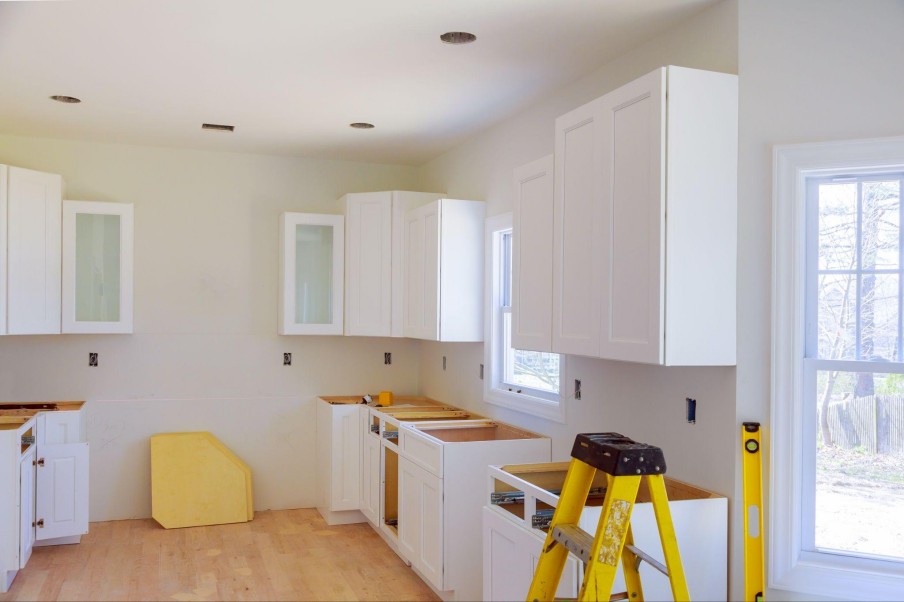
A kitchen renovation looks simple on paper. Cabinets go here, appliances sit there, and everything feels neat in the drawing. Real life use exposes gaps fast. Poor planning leads to awkward movement, wasted space, and daily irritation. Knowing common mistakes helps households plan kitchens that cook, clean, and age well without friction.
Overlooking Daily Workflow
Many homeowners plan kitchens based on appearance first. Daily movement comes later, usually after construction begins. Cooking, washing, and storage follow a sequence that should guide layout decisions from the start. Ignoring workflow creates unnecessary steps, blocked paths, and tight corners.
A kitchen renovation package in Singapore usually includes a standard layout template. Templates save time, but each household cooks differently. Frequent home cooks need wider prep zones, while light users value easy access and open paths. Observing daily habits before finalising a plan reduces layout regrets.
Industry observations from post-renovation inspections show higher change requests in kitchens where workflow was not discussed early. Minor layout adjustments made before carpentry begins prevent costly alterations later.
Underestimating Storage Requirements
Cabinet counts often look generous on drawings. Actual use tells a different story. Appliances, pantry items, cookware, and cleaning tools compete for space. Shallow cabinets or poorly planned compartments fill fast.
Default cabinet depths usually follow structural limits under a HDB resale renovation package. Internal organisation still carries weight. Drawers for heavy cookware, pull-out baskets for pantry items, and accessible under-sink storage reduce daily frustration.
Feedback from homeowners highlights fewer clutter issues in kitchens where storage types match item weight and frequency of use. Practical cabinet planning avoids stacking chaos that spills onto countertops.
Ignoring Ventilation and Heat Control
Ventilation remains one of the most overlooked areas. Cooking heat, steam, and odours linger without proper airflow. Poor ventilation makes kitchens uncomfortable and strains finishes over time.
Basic hood options are usually included as part of a kitchen renovation package in Singapore. Hood size, duct routing, and ceiling height influence effectiveness. Reviewing airflow paths during planning ensures heat exits quickly and consistently.
On-site measurements show improved extraction with shorter duct routes and well-sealed connections. Cleaner airflow reduces heat and moisture build-up around nearby storage and wall finishes over time.
Inflexible Electrical and Plumbing Planning
Power points, switches, and plumbing lines rarely change after installation. Poor placement limits appliance options and restricts future upgrades. Common issues include blocked sockets, awkward switch access, and tight plumbing clearances.
Existing service points often shape early planning under a HDB resale renovation package. Adjustments remain possible before installation begins. Reviewing appliance dimensions, door swing paths, and clearance zones helps position services logically.
Renovation records show fewer defects where layouts include clear spacing around ovens, fridges, and dishwashers. Early coordination between electrical and carpentry teams keeps installations aligned.
Choosing Materials Without Maintenance Awareness
Finish selection leans heavily on visual appeal. Maintenance effort receives less attention. High-gloss surfaces show marks easily. Natural materials require sealing and regular care.
A wide mix of finishes with different upkeep needs usually comes bundled inside a kitchen renovation package in Singapore. Matte laminates hide wear better, sealed surfaces resist moisture, and hardware quality affects daily feel.
Material testing data confirms that sealed laminates near sinks handle moisture exposure better than unprotected boards. Matching finishes to cooking frequency reduces long-term maintenance strain.
Failing to Plan for Future Changes
The household needs a shift. Cooking habits evolve, appliances change, and family size may adjust. Kitchens planned only for current use restrict future flexibility.
A HDB resale renovation package that allows modular cabinetry supports gradual adjustments. Removable panels, adjustable shelving, and spare power capacity provide room for change without major works.
Project closeout reviews show smoother updates in kitchens designed with flexible modules. Planning ahead saves repeat renovation costs.
Planning Forward with Practical Choices
Most kitchen renovation issues trace back to planning gaps. Clear workflow mapping, realistic storage planning, and service coordination prevent daily inconvenience. Practical kitchen design lasts longer and feels easier to use across years. Contact Hamid & Sons Interior Design to review kitchen layouts, planning choices, and renovation options that keep daily routines smooth and manageable.