

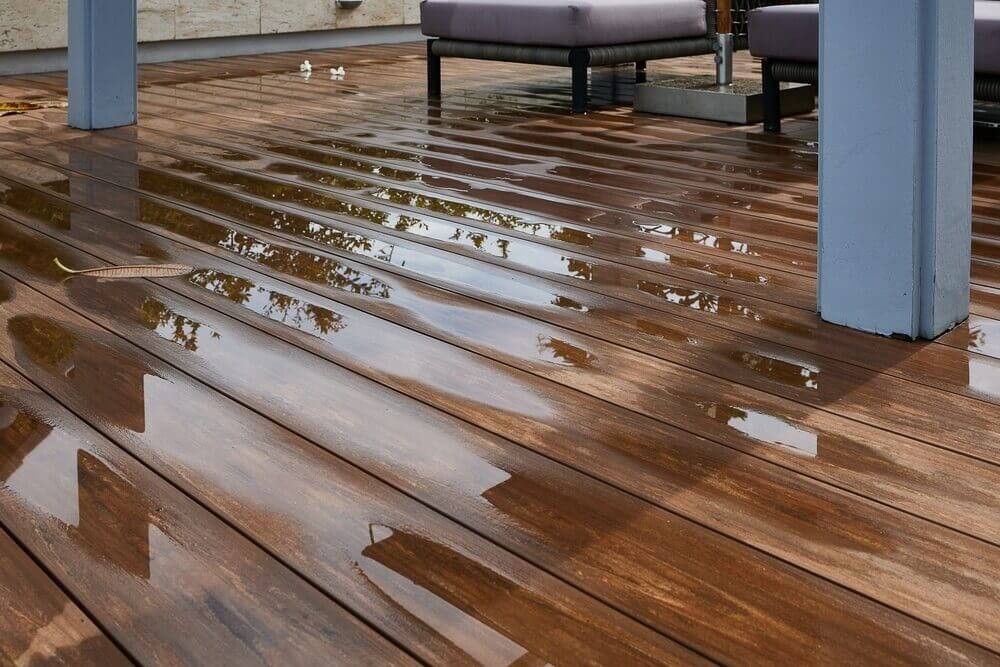
Older timber flooring often contains natural character that cannot easily be recreated with new materials.
The colour, grain and history of the wood can contribute to the appearance of an entire property.
Unfortunately, age and moisture exposure may leave timber floors looking damaged or unstable.
Property owners sometimes assume that replacing the flooring is their only option. However, professional restoration may be possible when the existing timber remains suitable for repair.
The most important step is determining the condition of the floor before beginning any sanding or refinishing work.
Why Older Timber Needs Special Attention
Antique wooden flooring may have undergone decades of wear, repairs and previous refinishing.
Some boards may be thinner than expected, while others contain loose joints or uneven surfaces.
Older finishes can also be difficult to identify.
Avoid Removing Unnecessary Timber
Sanding removes material from the floor surface.
If too much timber is removed, the remaining flooring may become unsuitable for future refinishing.
A professional should assess board thickness, stability and existing coatings before beginning work.
Preserving original material should remain an important consideration.
Restoring Antique Wooden Floors
Property owners researching antique floor sanding NZ should choose a service that considers the age and individual characteristics of the flooring.
Older hardwood and parquet surfaces may require repairs before sanding can begin.
Preserve the Original Appearance
Restoration may involve:
- Inspecting timber stability.
- Securing loose boards.
- Assessing existing finishes.
- Repairing damaged sections.
- Selecting appropriate sanding techniques.
- Choosing a compatible protective coating.
The objective should be to restore a usable surface without unnecessarily sacrificing the character of the timber.
Where heritage requirements apply, property owners should seek appropriate advice before making alterations.
Understanding Water-Damaged Timber
Homeowners seeking water damaged floor repair Auckland services should first identify and resolve the source of moisture.
Water exposure may cause swelling, cupping, staining or deterioration.
Repair the Cause Before the Surface
Sanding a floor while moisture problems remain unresolved can lead to further damage.
The flooring and underlying structure may need professional moisture assessment.
Some boards recover sufficiently for restoration after appropriate drying, while others require replacement.
The correct approach depends on the extent and duration of exposure.
Water damage caused by flooding, leaks or prolonged dampness may also affect materials beneath the visible timber.
These issues should be addressed before refinishing.
Choose a Suitable Final Treatment
Once repairs are complete and the floor is suitable for finishing, an appropriate protective coating can be selected.
The choice should reflect the timber species, intended use and desired appearance.
Some property owners prefer retaining the natural aged colour, while others want a refreshed finish.
A flooring specialist can explain which outcomes are realistic.
Preserve Your Timber Flooring With Floorsanding
Older and water-damaged timber floors deserve careful assessment before replacement decisions are made.
Floorsanding NZ provides antique floor sanding NZ services within its Auckland operations and specialises in water damaged floor repair Auckland.
Its restoration capabilities include antique hardwood, parquet flooring and suitable moisture-damaged timber.
