

Key Takeaways
- The right tools simplify complex furniture decisions and prevent costly missteps.
- Designer armchairs in Singapore are chosen through a method, not impulse.
- Contemporary furniture in Singapore succeeds when scale, use, and longevity are assessed together.
- A structured toolkit turns taste into confident, repeatable decisions.
Introduction
Choosing furniture often feels subjective, yet the most successful interiors are built with surprising discipline. Behind every well-balanced living space is a set of practical tools that guide decisions before a purchase is made. This is especially true when selecting designer armchairs in Singapore or investing in contemporary furniture that spaces rely on for years.
Tool 1: A Clear Use-Case Brief
A written use-case brief does not need to be formal, but it should answer a few essential questions: Who will use the chair? How often? For how long at a time? In what posture? Designer armchairs in Singapore often span lounge, accent, and task-adjacent designs. Contemporary furniture in Singapore performs best when each piece has a defined role. A simple use-case anchors decisions in reality, reducing the risk of choosing a chair that looks right but feels wrong after a week.
Tool 2: Accurate Measurements and Spatial Mapping
Measurement is about whether furniture fits through the door and how it lives in the room. Successful buyers measure seat height, depth, arm width, and clearance around the piece, then map these against walking paths and sightlines. Designer armchairs in Singapore that integrate well are rarely oversized for their setting. Contemporary furniture in Singapore often favours visual lightness, which depends on proportion. Spatial clarity improves comfort and perceived quality in living areas.
Tool 3: A Comfort Evaluation Checklist
A comfort checklist slows this process and improves accuracy. It includes seat firmness, back support, armrest height, and ease of entry and exit. Designer armchairs in Singapore tend to meet comfort needs consistently. Contemporary furniture in Singapore often balances form with ergonomics, but this balance must be experienced.
Tool 4: Material Literacy
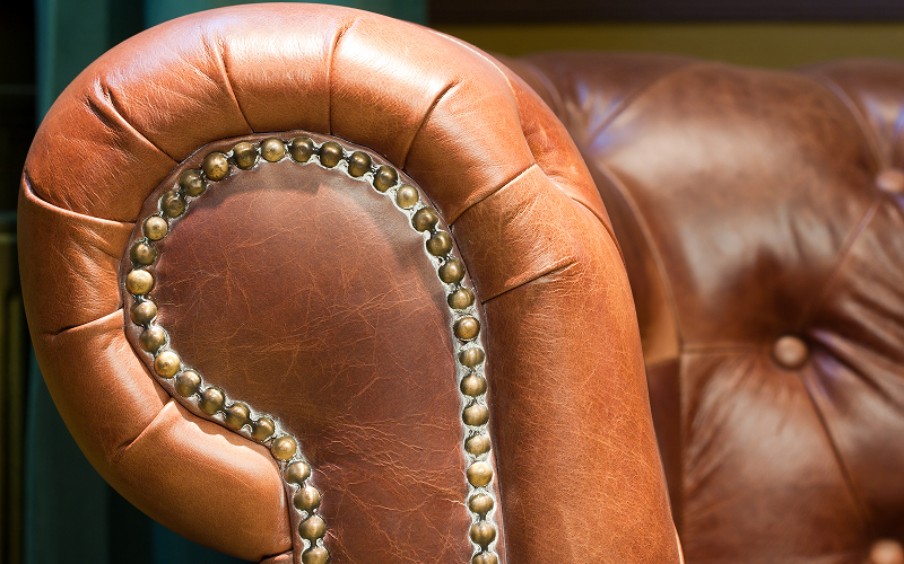
Understanding how leather ages, how fabric weaves wear, and how frames respond to humidity changes improves decision quality. Contemporary furniture in Singapore benefits from finishes that handle daily use without constant maintenance. Material literacy reduces surprises and supports realistic expectations.
Tool 5: A Visual Cohesion Test
Rather than asking whether a chair “stands out,” effective buyers ask whether it belongs. The visual cohesion test involves viewing the piece alongside existing furniture, finishes, and lighting conditions. Designer armchairs in Singapore integrate smoothly, often sharing subtle cues with surrounding elements. Contemporary furniture in Singapore relies on coherence rather than contrast alone. This tool shifts focus from statement-making to relationship-building, which sustains design momentum over time.
Tool 6: Longevity Scoring
Longevity scoring assigns weight to factors such as construction quality, repairability, and stylistic endurance. Buyers rate each factor to compare options objectively. Designer armchairs in Singapore justify their cost when they score highly on longevity. Contemporary furniture in Singapore benefits from pieces that remain relevant as layouts and tastes evolve.
Tool 7: Budget Allocation Framework
High-use items receive greater investment; occasional pieces receive less. Designer armchairs in Singapore often serve as daily seating, making them priority investments. Contemporary furniture in Singapore works better when spending aligns with use patterns rather than room categories. This framework prevents overspending on low-impact items and under-spending on essentials.
Tool 8: Patience and Review Cycles
Patience is an underrated tool. Introducing review cycles reduces impulse buying. Contemporary furniture in Singapore benefits from this pause, as it allows buyers to reconsider scale, comfort, and compatibility. Delayed decisions improve satisfaction in high-value purchases.
Tool 9: Care and Maintenance Forecasting
Furniture ownership extends beyond purchase. Designer armchairs in Singapore’s climate require attention to ventilation and material care. Contemporary furniture in Singapore remains appealing when maintenance expectations are realistic. This tool aligns lifestyle with ownership demands, preventing frustration later.
Tool 10: Whole-Room Perspective
Finally, successful buyers step back and view decisions holistically. They assess how the armchair interacts with lighting, acoustics, and movement. Designer armchairs in Singapore succeed when the chair complements, not competes. Contemporary furniture in Singapore benefits from this systems thinking, where each piece supports the room’s overall function and feel. Holistic evaluation avoids piecemeal decisions that require correction later.
Conclusion
These tools convert preference into process. Rather than removing creativity, they protect it, ensuring that taste translates into livable, lasting outcomes. In Singapore, designers choose confidently, and accidents are rare. With the right tools, choosing designer armchairs in Singapore and contemporary furniture becomes a structured, confident process. From use-case briefs and spatial mapping to comfort checklists and longevity scoring, these tools reduce guesswork and increase satisfaction. They help buyers invest with clarity, ensuring that each piece contributes meaningfully to daily life and long-term design coherence.
Curious which evaluation tool you are missing before your next purchase? Reach out to Colzani today.
