

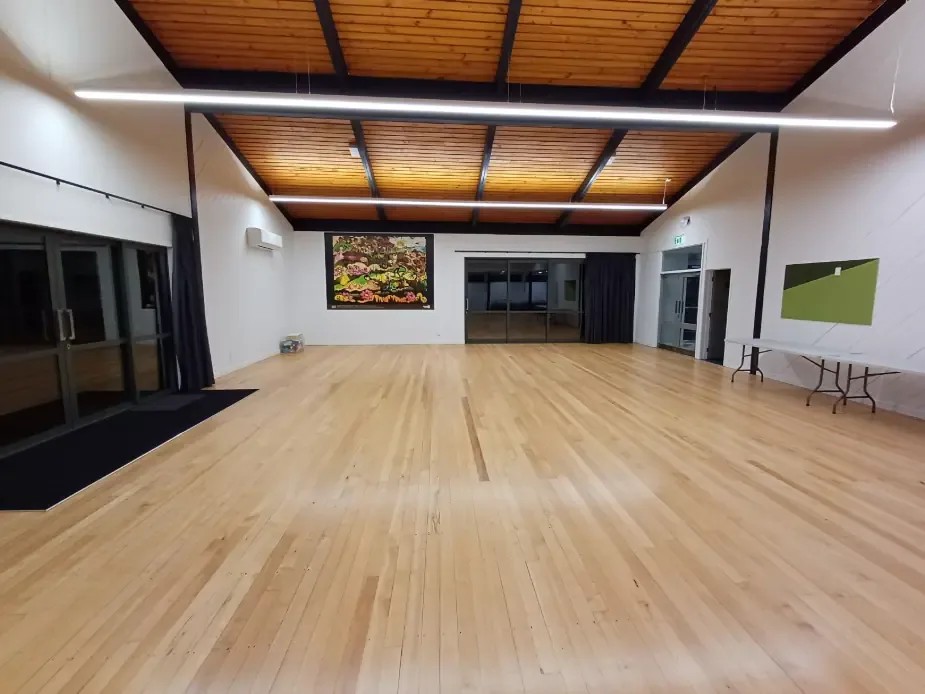
Know What the Floor Actually Needs
Timber floors can often be renewed, but the correct treatment depends on species, thickness, existing coatings, damage, and how the space is used. For owners of older or moisture-affected floors, common concerns include historic wear, loose boards, staining, movement, and moisture damage. A professional inspection helps separate cosmetic wear from repair needs. This prevents unnecessary sanding and creates a realistic plan for access, colour, finish, drying time, and ongoing care.
Plan the Work Around the Property
Clear rooms where practical, discuss fixed furniture, and identify access restrictions before work begins. Confirm whether occupants, staff, customers, or pets will be present. The contractor should explain dust control, noise, ventilation, curing, and when the floor can accept light traffic or furniture. Good planning protects the new surface and keeps the project from creating avoidable disruption.
Choose the Right Sanding Approach
People searching for antique floor sanding NZ should expect more than aggressive removal of the top layer. The team needs to select abrasives and equipment for the floor’s condition, working progressively toward a smooth, even surface. Edges, corners, thresholds, and previous repairs require careful attention. Excessive sanding can shorten the floor’s life, while insufficient preparation can leave defects visible beneath the finish.
Restore Before Applying the Finish
A project involving water damaged floor repair Auckland may require damaged boards, gaps, protruding fixings, adhesive, stains, or uneven sections to be addressed first. Restoration should respect the timber rather than hide problems beneath a new coating. The team can then recommend careful investigation and conservation-minded repair. A sound substrate gives staining, polishing, or varnishing a better chance of looking consistent and performing as intended.
Select Colour and Coating Carefully
Samples should be viewed on the actual timber because species, age, grain, sanding, and lighting affect the result. Discuss sheen, colour, wear, cleaning expectations, and the room’s purpose. A busy commercial entrance may need different priorities from a quiet bedroom or antique interior. No coating makes timber indestructible, so the best choice balances appearance, protection, repairability, and maintenance.
Allow Enough Time for Curing
Sanding may be completed quickly, but finishes need suitable conditions and time to cure. Rushing furniture back can create marks, while rugs may slow curing or trap moisture. Follow the contractor’s written guidance for footwear, ventilation, cleaning, and furniture placement. Felt pads and sensible entry mats can reduce new scratches without covering the floor before the coating is ready.
Maintain the Result Without Overcomplicating It
Remove grit regularly, wipe spills promptly, and use products approved for the selected finish. Avoid soaking timber or relying on harsh cleaners. Watch high-traffic areas and request advice before wear reaches bare wood. Timely maintenance may delay another full sanding cycle. Simple routines protect the investment and help preserve retained character with a sounder surface through everyday use.
Bring Lasting Character Back to Timber Floors
Floorsanding is a service provider of antique floor sanding NZ for properties that need professional assessment, preparation, sanding, and finishing. Floorsanding also provides water damaged floor repair Auckland with repair and coating options tailored to the floor’s condition. By planning access, treating damage, and selecting a suitable finish, owners can achieve retained character with a sounder surface without relying on shortcuts that compromise the timber.
