

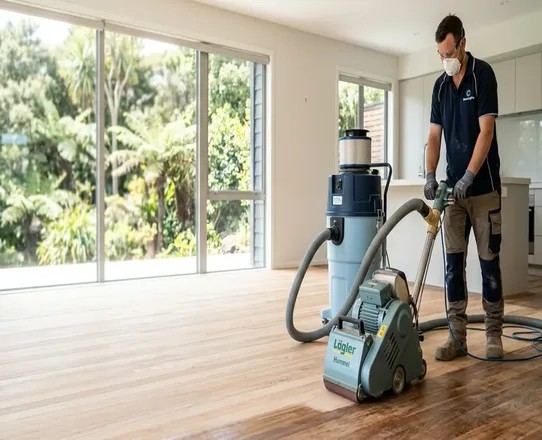
Timber floors bring natural warmth, character, and lasting value to a property. However, age, moisture, heavy foot traffic, and poor maintenance can leave them scratched, stained, uneven, or structurally weakened. Professional floor restoration addresses these problems while protecting the original beauty of the timber.
Whether you own a heritage home, manage a commercial property, or want to restore a worn wooden floor, understanding the available services will help you make an informed decision.
Why Professional Floor Restoration Matters
Floor restoration involves more than removing visible scratches. A qualified flooring specialist inspects the timber, identifies the source of the damage, and recommends a suitable repair process.
Professional restoration can help:
- Remove scratches, stains, and old coatings
- Improve uneven or rough floor surfaces
- Repair damaged or loose floorboards
- Restore the natural colour and grain of the timber
- Protect the floor against moisture and daily wear
- Extend the usable life of existing flooring
- Improve the overall presentation of the property
Restoring a timber floor may also be more practical than replacing it. When the original boards remain structurally sound, sanding and refinishing can deliver a clean, refreshed appearance without removing the entire floor.
Understanding Antique Timber Floor Restoration
Older timber floors require careful handling. Antique floorboards may have natural variations, previous repairs, small gaps, and signs of age that contribute to their character. Aggressive sanding or unsuitable finishes can remove too much timber and damage details that cannot be replaced.
What the Sanding Process Includes
A professional antique floor sanding NZ service normally begins with a detailed inspection. The specialist checks the floorboard thickness, timber condition, existing coating, exposed nails, loose boards, and damaged areas.
The restoration process may include:
- Securing loose or moving floorboards
- Replacing unsuitable nails or fixing protruding fasteners
- Filling selected cracks and gaps where appropriate
- Sanding the surface with professional equipment
- Refining edges and hard-to-reach areas
- Removing dust before applying the finish
- Sealing the timber with a suitable protective coating
The goal is not always to make an antique floor look completely new. Good restoration preserves the timber’s personality while creating a smoother, safer, and more durable surface.
Choosing the Right Floor Finish
The finish affects the appearance, maintenance requirements, and durability of the restored floor. Options may include water-based coatings, oil-based polyurethane, penetrating oils, and low-sheen finishes.
Water-based coatings generally dry faster and retain a lighter timber colour. Oil-based products can create a warmer appearance but may take longer to cure. The right choice depends on the timber species, room use, desired appearance, and expected level of foot traffic.
Recognising Water Damage in Timber Floors
Water damage can develop after a plumbing leak, appliance failure, roof problem, flooding event, or long-term moisture exposure. Even when the surface appears dry, moisture may remain below the boards or within the subfloor.
Common warning signs include:
- Cupped, raised, or buckled boards
- Dark stains or discolouration
- Soft or weakened timber
- Gaps between floorboards
- Peeling or cloudy floor coatings
- Persistent damp or musty smells
- Movement or noise when walking over the floor
These signs should not be ignored. Sanding a wet floor too early can hide the surface damage without correcting the underlying moisture problem.
How Water-Damaged Floors Are Repaired
A reliable water damaged floor repair Auckland service should begin by finding and stopping the source of the moisture. The affected area must then be properly assessed and dried before cosmetic repairs begin.
The Typical Repair Process
Depending on the extent of the damage, the work may involve:
- Moisture testing of the floorboards and subfloor
- Drying and ventilation of affected areas
- Removal of boards that cannot be restored
- Repair or replacement of damaged subfloor materials
- Installation of matching timber boards
- Sanding to create an even surface
- Colour blending and refinishing
- Final checks for movement, moisture, and coating consistency
Minor surface staining may sometimes be corrected through sanding and refinishing. Severely warped, rotten, or weakened boards will usually need replacement. A responsible flooring professional will explain which areas can be saved instead of automatically recommending complete replacement.
What to Ask Before Hiring a Floor Specialist
Before choosing a contractor, ask for a clear explanation of the proposed work. The quotation should describe the repair method, coating system, expected drying time, and any areas that may require replacement.
You should also ask:
- Is the floor thick enough to be sanded safely?
- Will moisture levels be tested before repairs begin?
- How will dust be controlled?
- Can replacement boards be matched to the existing timber?
- How long will the finish take to dry and fully cure?
- What preparation is required before the work starts?
- What maintenance will the restored floor need?
Avoid selecting a contractor based only on the lowest price. Poor sanding can leave visible drum marks, uneven edges, and damaged boards. Incomplete moisture treatment can also allow the same problems to return.
Protecting Your Restored Timber Floor
Once the work is complete, routine care will help preserve the result. Sweep or vacuum regularly using a timber-safe attachment. Clean spills promptly and avoid soaking the floor during mopping.
Place protective pads under furniture and use mats near entrances to reduce grit and moisture. Keep indoor humidity as stable as possible, and follow the flooring specialist’s instructions before moving furniture back into the room.
Restore the Character Beneath Your Feet
Timber floors deserve a repair approach that respects both their appearance and structure. Floorsanding is a service provider of antique floor sanding NZ, helping property owners revive ageing timber while retaining its original character.
Floorsanding also provides water damaged floor repair Auckland services for floors affected by leaks, moisture, staining, and board movement. With a professional inspection and a repair plan suited to the condition of the timber, your floors can regain their strength, beauty, and lasting value.
