

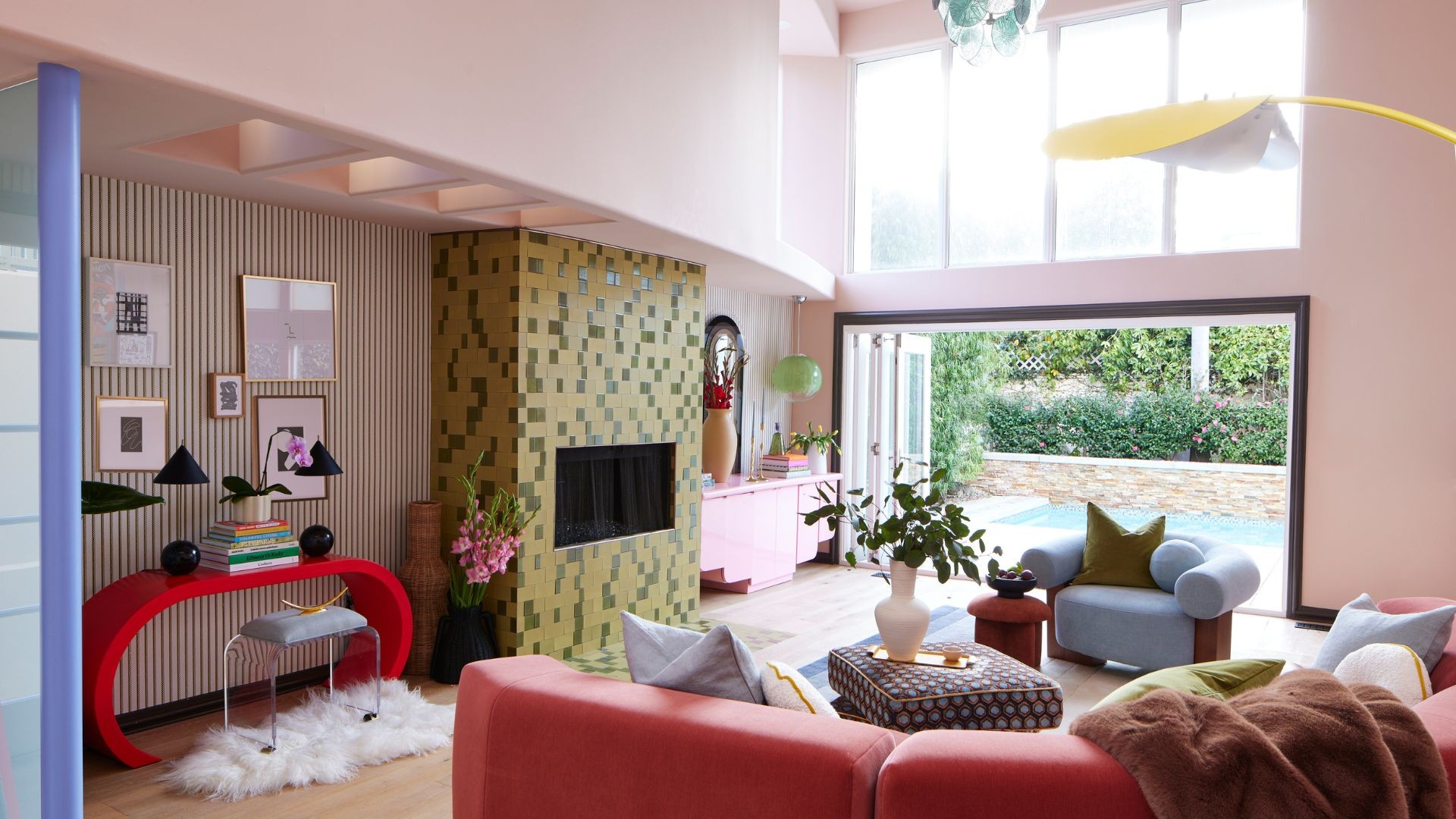
When the school year starts, mornings speed up and afternoons fill with backpacks, lunch boxes, sports gear, and permission slips. Without a plan, all of it ends up in a pile by the door or across the living room floor. The good news is that a few smart furniture choices can turn the chaos into a routine.
Before you invest, it helps to see how pieces hold up in real homes. Browsing Coleman furniture reviews can give you a feel for durability and quality from other families. Here is how to reset your entryway and living spaces so the school year runs a little smoother.
Start at the Front Door
The entryway is where school-day stress begins and ends. A few well-chosen pieces can make it much easier to get out the door.
- A sturdy bench: A place to sit and put on shoes, ideally with storage below for footwear.
- Wall hooks at kid height: Backpacks and jackets stay off the floor, and kids can reach them on their own.
- A narrow console or shelf: A landing spot for keys, mail, and sunglasses.
- A shoe rack or cubby: Keeps shoes contained instead of scattered.
- A basket or bin: For sports gear, umbrellas, and loose items.
Choose pieces with durable finishes, since this spot takes more abuse than almost anywhere else in the house.
Create a Launch Pad
A launch pad is a dedicated spot where everything needed for the next day waits in one place.
- A small table or shelf: Holds the next day’s bags, shoes, and permission slips.
- A family calendar: Keeps schedules visible to everyone.
- A tray for incoming papers: School flyers and forms go here instead of the kitchen counter.
- A charging spot: Keep phones and devices in one place overnight.
Rethink the Living Room
Living rooms often become after-school headquarters, and the furniture should help rather than hinder.
- Durable seating: Sofas and chairs that can handle backpacks, snacks, and homework sessions.
- Storage ottomans: Hide toys, blankets, and school supplies in seconds.
- A sturdy coffee table: Wipeable surfaces make quick work of crumbs and spills.
- Open shelves with bins: Give each family member a labeled place for their things.
Set Up a Homework Zone
Homework goes better when there is a clear place for it.
- A table or desk with good lighting.
- A comfortable, supportive chair.
- A basket for supplies: Pencils, paper, chargers, and headphones.
- A spot to display schedules and reminders.
If the space is shared, choose pieces that can be cleared quickly for dinner.
Make Mornings Easier
A few small changes can ease the morning rush.
- Prepare the night before. Pack bags and lay out clothes in the launch pad.
- Keep breakfast supplies reachable. A cart or low shelf helps younger kids help themselves.
- Use a visual checklist. A simple list by the door can reduce forgotten items.
- Give everything a home. When items have a place, they are easier to find.
Keep It Simple and Sustainable
The best systems are the ones you can maintain. Resist the urge to buy too many organizers, and focus on a few pieces that solve your biggest problems.
- Start with your trouble spots. Where does clutter collect first?
- Choose durable, multipurpose furniture. Pieces that do two jobs save space and money.
- Involve the kids. They will use systems they helped design.
- Set a weekly reset. Ten minutes on Sunday evening makes the week smoother.
Choosing Furniture That Lasts
For a high-traffic entryway and living area, quality matters. Look for solid frames, strong joints, and easy-to-clean finishes, and think about how a piece will hold up to daily use rather than how it looks in a showroom.
A Calmer Start to the Season
A well-organized home does not remove the busyness of the school year, but it makes it easier to manage. With the right furniture and a few simple routines, you can create a space that helps everyone start the day on the right foot.
For more organizing ideas that work for busy households, Good Housekeeping offers practical, easy-to-follow advice.
