

Key Takeaways
- Renewable energy in Singapore supports national sustainability goals by diversifying the energy mix and reducing reliance on fossil fuels.
- Choosing an electricity supplier in Singapore that offers green or renewable-backed plans allows households and businesses to participate in cleaner energy use.
- Wider adoption of renewable electricity encourages responsible consumption and strengthens long-term environmental accountability across sectors.
Introduction
In recent years, renewable energy in Singapore has become crucial in national sustainability efforts, helping to seek economic growth and maintain environmental responsibility. From solar adoption to green electricity plans, households and businesses now engage more actively with cleaner energy choices through their electricity supplier in Singapore. Consumers can make better individual decisions for broader sustainability goals when they understand how these initiatives work.
The Role of Renewable Energy in Singapore’s Energy Mix
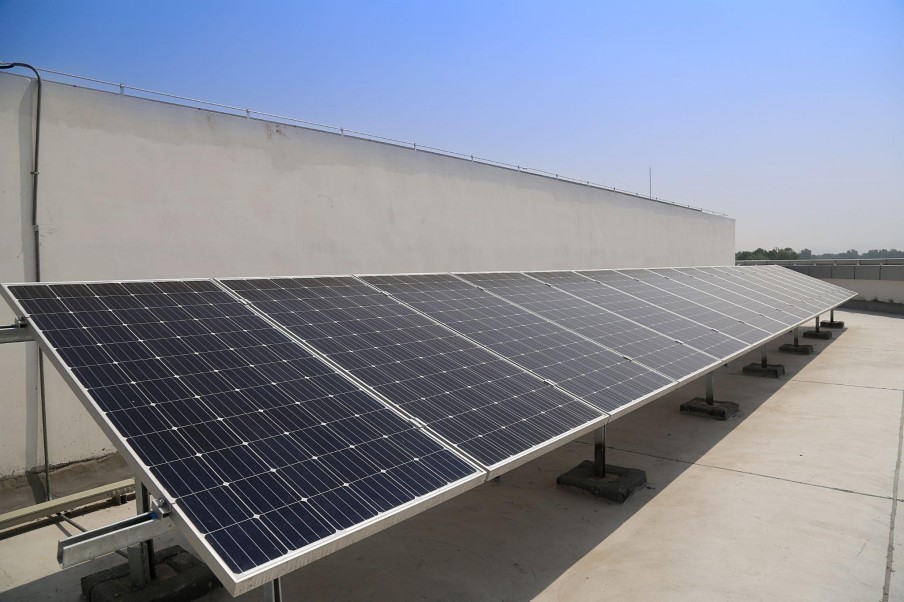
Singapore relies heavily on imported fuels, which makes energy security a key concern. Renewable energy in Singapore does not replace conventional sources overnight, but it strengthens diversification within the national energy mix. Solar energy currently leads this transition, with panels installed across rooftops, reservoirs, and industrial spaces.
This gradual integration reduces reliance on fossil fuels while supporting long-term emissions management. By steadily expanding renewable capacity, Singapore aligns its energy planning with sustainability goals without compromising reliability or affordability.
Supporting National Sustainability Targets
Singapore’s sustainability roadmap focuses on reducing carbon intensity and promoting responsible energy use. Renewable energy in Singapore directly supports these objectives by lowering emissions associated with electricity generation. Each increase in clean energy adoption contributes incrementally to national targets.
Government initiatives encourage participation across sectors. Incentives, regulatory frameworks, and infrastructure planning help ensure renewable energy remains accessible. These measures create an environment where sustainability becomes part of everyday energy consumption rather than a niche effort.
How Electricity Suppliers Enable Green Choices
Electricity suppliers in Singapore play a practical role in translating sustainability policies into consumer-facing options. Many suppliers now offer electricity plans that include renewable energy components or carbon offset mechanisms. These plans can help households and businesses support cleaner energy without installing their own systems.
Choosing an electricity supplier in Singapore that offers green plans enables consumers to participate directly in sustainability efforts. This approach makes renewable energy accessible even to those living in apartments or operating small offices with limited control over physical infrastructure.
Impact on Businesses and Commercial Operations
Businesses increasingly align operations with environmental goals due to regulatory expectations and stakeholder awareness. Renewable energy in Singapore supports this shift by offering scalable options for commercial users. Companies can choose plans that reflect sustainability commitments while maintaining predictable energy costs.
This alignment also improves reporting and compliance. Businesses that source electricity from renewable-backed plans strengthen sustainability disclosures and environmental accountability. Over time, consistent adoption across sectors amplifies the overall impact on national sustainability outcomes.
Encouraging Responsible Energy Consumption
Renewable energy adoption often goes hand in hand with greater awareness of consumption patterns. When consumers select green electricity plans, they tend to monitor usage more closely and adopt energy-efficient habits. This behavioural shift reinforces sustainability beyond energy sourcing alone.
Electricity suppliers in Singapore support this awareness through digital tools and transparent billing. Clear usage data can help consumers make informed decisions, reduce wastage, and understand how daily habits influence environmental impact.
Challenges and Ongoing Developments
Despite progress, renewable energy in Singapore faces structural challenges. Limited land availability restricts large-scale renewable installations, while energy demand continues to grow. These constraints require innovation in technology, storage, and regional cooperation.
Singapore continues to explore solutions such as cross-border energy imports and advanced grid management. Electricity suppliers adapt to these developments, ensuring consumers can access renewable options as infrastructure evolves.
The Role of Trusted Energy Providers
Reliable implementation depends on providers that understand both operational demands and sustainability goals. Companies such as Keppel Electric develop electricity plans that integrate renewable energy components while maintaining service consistency, helping consumers participate in sustainability efforts without operational disruption.
By offering structured options and clear information, established suppliers help bridge the gap between policy goals and everyday energy choices.
Conclusion
Renewable energy in Singapore supports sustainability goals through steady integration, accessible consumer options, and collaboration between policy and providers. While challenges remain, the growing availability of green electricity plans can help households and businesses contribute meaningfully, as consumers can take practical steps towards a more sustainable energy future.
Contact Keppel Electric to explore renewable energy plans and align your usage with Singapore’s sustainability goals.
